
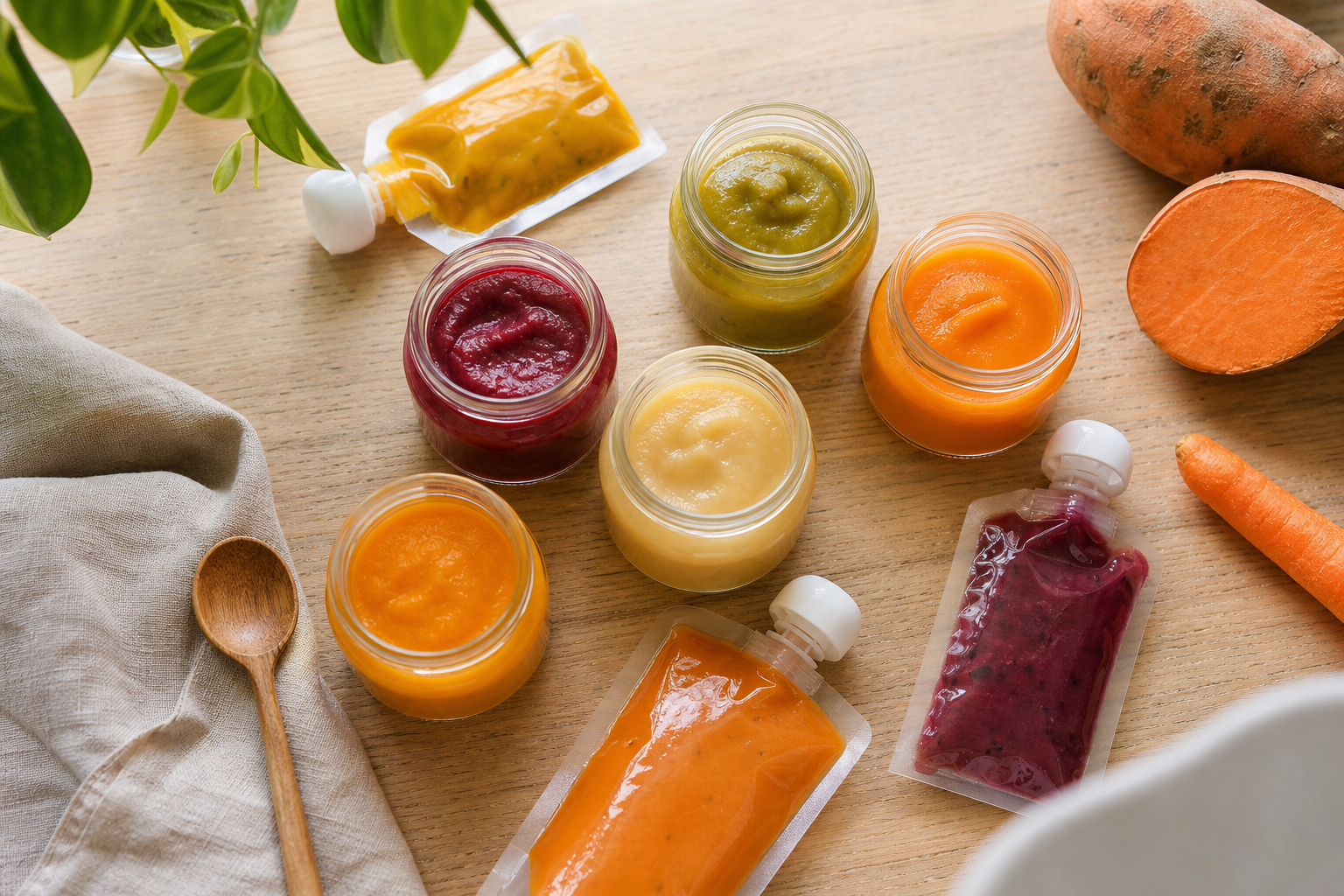
Choosing among organic baby food brands usually comes down to one question: which one is actually safe from heavy metals, not just pesticides. This article skips the standard brand roundup and instead compares cost per ounce, third-party testing disclosure, ingredient risk, and dated recall history, so the comparison is based on numbers rather than marketing language.
What follows also covers how risk shifts between a 4-month-old starting solids and a 12-month-old eating varied foods, plus an honest look at whether homemade purees actually reduce exposure. Each section answers a specific sub-question a parent researching this topic actually asks.
Does 'Organic' Actually Mean Lower Heavy Metals?
No, USDA Organic certification does not lower heavy metal levels in baby food, because arsenic, lead, and cadmium come from soil and groundwater, not from the synthetic pesticides and fertilizers that organic rules restrict. A product can be 100% organic and still absorb the same contaminants as its conventional counterpart, because the certification never tested for metals in the first place.
The 2021 House Oversight Subcommittee staff report tested internal manufacturer documents from several major baby food makers and found arsenic, lead, cadmium, and mercury in finished products, including some marketed as organic, at levels the report described as far exceeding what regulators allow in bottled water. Organic status was not a variable that predicted lower readings.
The FDA's own regulatory response confirms this gap. Its Closer to Zero action levels, finalized in January 2025, set maximum lead limits of 10 parts per billion for most fruits, vegetables, yogurts, and single-ingredient meats marketed for babies and young children, and 20 parts per billion for dry infant cereals and single-ingredient root vegetables like carrots and sweet potatoes. Nothing in that framework references organic certification; the limits apply identically to organic and conventional products because the contaminant source, not the farming method, is what determines the risk.
The practical takeaway is to stop using the word "organic" as a proxy for "low metal" on a label and instead look for brands that voluntarily publish their own heavy-metal test results. That distinction, not the organic seal, is what actually separates brands worth trusting from brands simply worth trusting on pesticide use.
Best Organic Baby Food Brands: Cost, Certification, and Testing Compared
The safest pick among organic baby food brands is the one that discloses its own heavy-metal test results, not simply the one with the lowest price or the most premium packaging. Below is a comparison of eight widely available brands on the factors that actually matter for a purchase decision: cost per ounce, organic certification, whether the brand publishes third-party contaminant testing, and the ingredient base that drives much of the metal-exposure risk (covered in more detail in the next section).
| Brand | Avg. price per oz | USDA Organic | 3rd-party heavy-metal testing disclosed | Dominant base ingredient |
|---|---|---|---|---|
| Earth's Best | ~$0.27 | Yes | No public data | Rice/fruit blends |
| Gerber Organic | ~$0.27 | Yes | No public data | Sweet potato/rice |
| Happy Baby Organics | ~$0.32 | Yes | Partial (some line-specific results) | Fruit/vegetable blends |
| Once Upon a Farm | ~$0.45 | Yes | Yes, cites internal testing | Fruit-forward blends |
| Yumi | ~$0.38 | Yes | Yes, publishes lab summaries | Vegetable/fruit blends |
| Cerebelly | ~$0.57 | Mostly organic | Yes, holds Clean Label Project's Purity Award | Vegetable/broth-based, some meat |
| Serenity Kids | ~$0.71 | Partially (meat not certified) | Yes, Purity Award recipient | Meat and bone broth |
| Little Spoon | ~$0.62 | Yes | Yes, publishes batch testing summaries | Varies, vegetable-heavy |
Prices are approximate retail averages and shift with pouch size and retailer, so treat them as a comparison baseline rather than a locked figure. The pattern worth noticing is that the brands charging the most per ounce, Serenity Kids, Cerebelly, and Little Spoon, are also the ones most willing to show independent test data, while the cheapest, most widely stocked brands like Earth's Best and Gerber Organic offer little to no public contaminant disclosure.
That does not mean the cheaper brands are unsafe; it means a parent cannot verify their metal levels from public information alone. If third-party verification matters more to you than price, the Purity Award and published batch data are the two checkable signals to look for before buying, not the organic seal itself.
Which Ingredients Carry the Most Heavy-Metal Risk, Regardless of Brand?
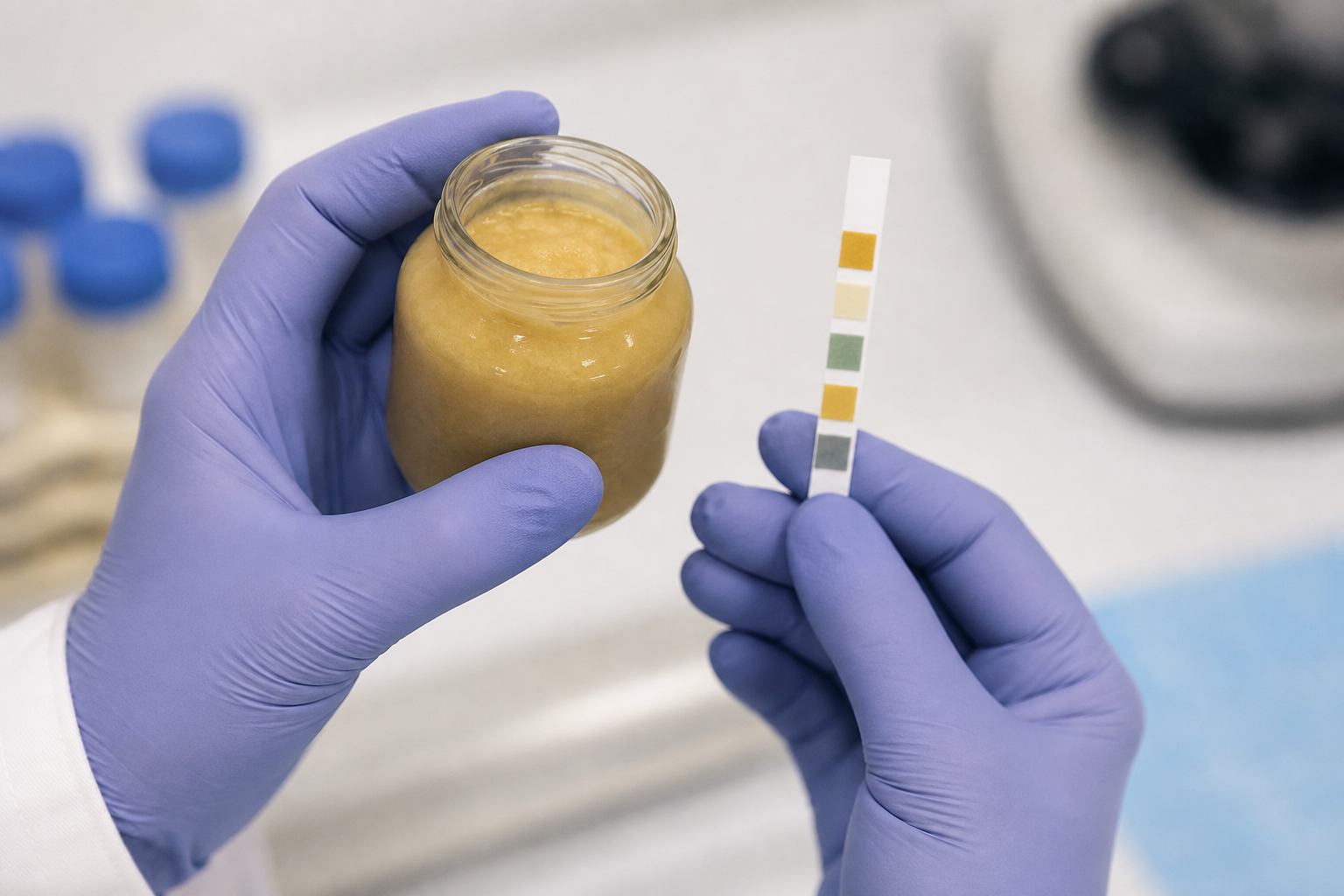
Rice, sweet potato, and other root vegetables absorb far more arsenic and cadmium from soil than meat, dairy, or most fruit purees, regardless of which brand processes them. Testing compiled in the Healthy Babies Bright Futures baby food report found rice-based products and root-vegetable purees consistently carried higher inorganic arsenic and cadmium levels than protein- or fruit-based purees across nearly every brand tested, organic and conventional alike.
This is a plant-biology issue, not a manufacturing one. Rice is grown in flooded paddies that pull arsenic out of the soil, and carrots and sweet potatoes are root vegetables that concentrate cadmium as they grow underground. No amount of organic certification or clean-label marketing changes how a specific crop takes up minerals from the ground it's planted in.
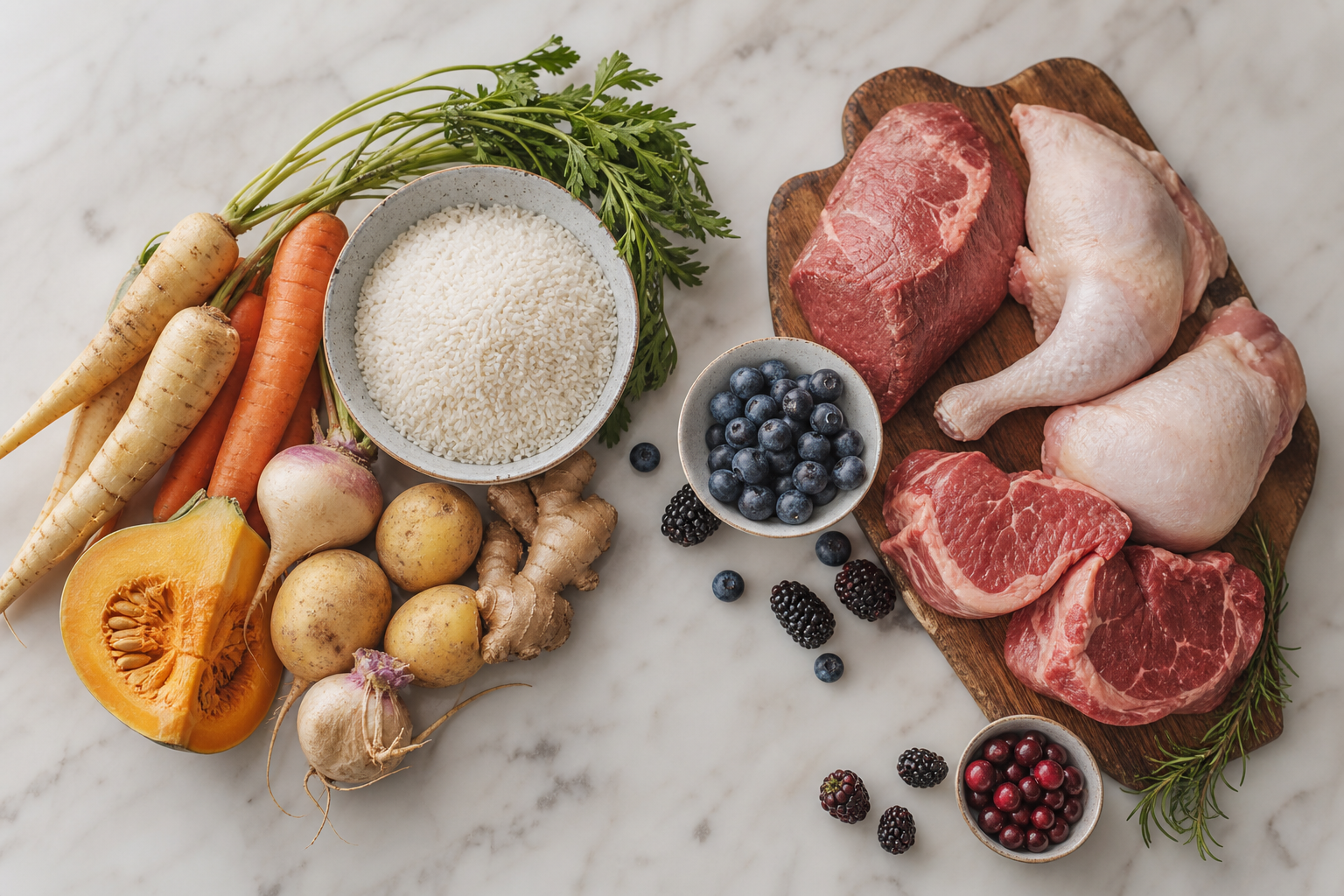
The practical takeaway is to shop by ingredient, not just by brand reputation. A company can run a genuinely clean facility and still sell a rice puff snack or sweet potato pouch that tests higher than its own chicken-and-apple or yogurt-based purees sitting on the same shelf.
Within any organic lineup, favor meat, poultry, dairy, and most fruit purees as the lower-risk default, and treat rice cereal, rice-based snacks, carrots, and sweet potato as occasional additions rather than daily staples, especially before 12 months.
Baby Food Recalls: A Dated History Worth Checking Before You Buy
Yes, at least one major organic-adjacent brand has a documented, dated recall tied specifically to heavy metals. In February 2021, Beech-Nut voluntarily recalled its Single Grain Rice Cereal after testing found elevated inorganic arsenic levels, a recall confirmed in the company's own notice posted to the FDA's recalls and safety alerts database.
Beech-Nut didn't stop at a single product pull. By April 2021 the company announced it would exit rice cereal production entirely, discontinuing the category rather than reformulating it, a resolution that removed the product line from shelves rather than just lowering its metal content.
That timeline matters for a buyer today: the specific recalled cereal is gone, the company changed its product mix in response, and no equivalent recall has followed for Beech-Nut's fruit, vegetable, or meat purees. A resolved, discontinued issue from 2021 is a different risk profile than an unresolved or ongoing one.
Before buying any brand on the strength of its organic label, check the FDA recall database directly for that brand's name and the past three to five years, since a clean current lineup can still sit next to a documented history worth knowing about.
Does the Safest Choice Change From 4 Months to 12 Months?
Yes, but the shift is about dietary variety, not age itself. A 4 to 6 month old eating a single jarred sweet potato puree gets nearly 100% of that meal's calories from one ingredient, so any arsenic or cadmium in that jar makes up a much larger share of total daily exposure than the same jar would for a 12 month old eating table-adjacent foods across six or seven ingredient groups. Dietary diversity guidance from the WHO treats variety itself as a protective factor in early feeding, and that logic applies directly to contaminant exposure.
The practical move for new starters is to rotate protein-based and fruit-based purees (chicken, turkey, apple, pear, banana) in the first few weeks rather than leaning on rice cereal or sweet potato as the default first food. Save rice- and root-vegetable-heavy jars for once the baby has 8 to 10 different foods in rotation, usually closer to 9 to 12 months, when no single ingredient dominates total intake.
Are Homemade Purees Healthier Than Organic Baby Food Brands?
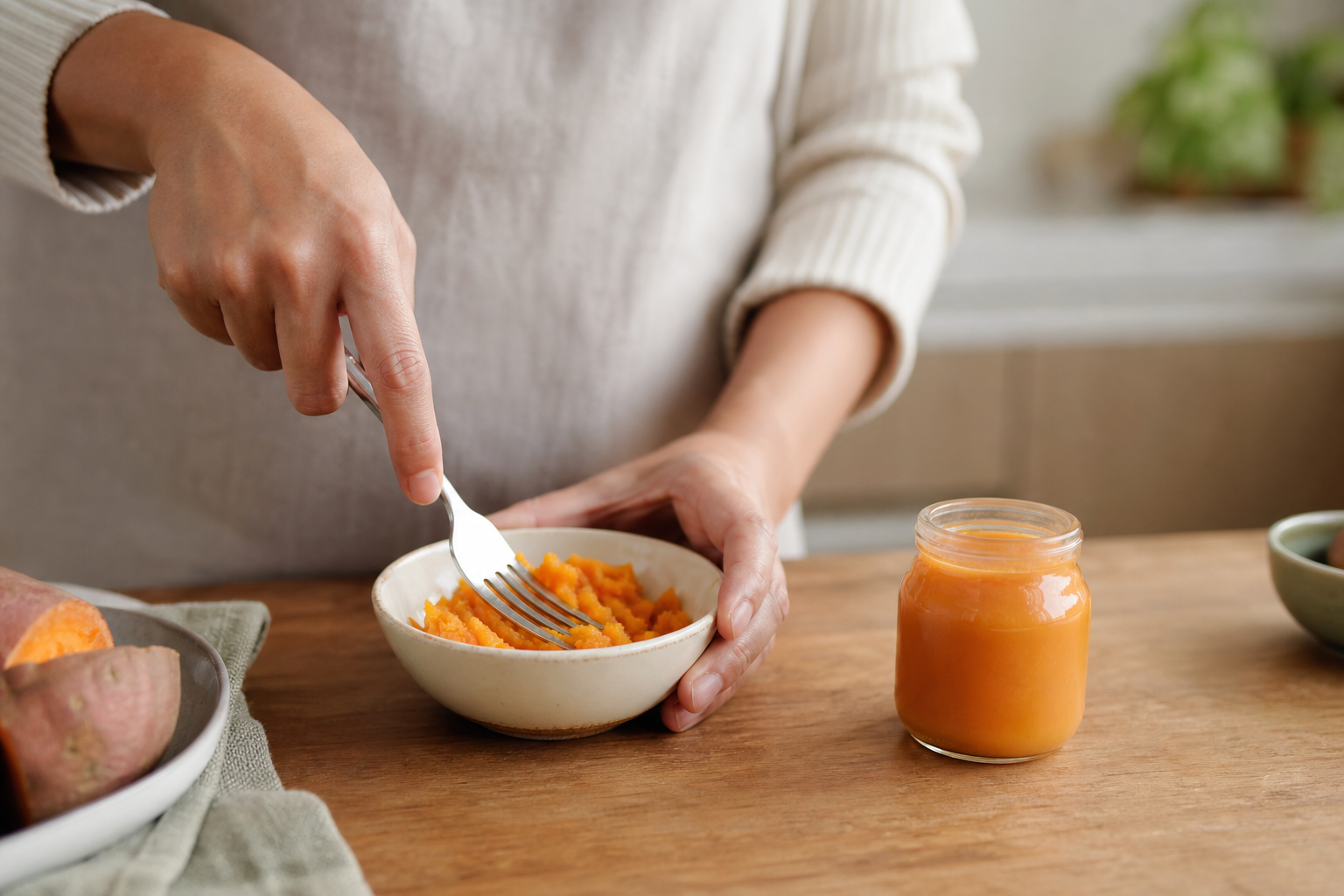
Neither is automatically healthier; what matters is ingredient sourcing and variety, not whether a spoon came from a jar or a home kitchen. A steamed, mashed sweet potato made at home draws arsenic and cadmium from the same soil and irrigation water as the sweet potato in a jarred puree, so homemade preparation does not lower heavy-metal exposure on its own. Testing from Healthy Babies Bright Futures has found root vegetables carry elevated levels regardless of who processes them.
Homemade purees do give a parent full control over the ingredient list, no added starches or fillers, and the ability to choose lower-risk produce and cuts of meat. What they don't replicate easily is the iron and DHA fortification built into many commercial Stage 1 and Stage 2 products, which matters because infant iron needs rise sharply around 6 months, especially for breastfed babies. Store-bought organic pouches also offer batch consistency and, for brands that publish results, a testable safety record a home kitchen can't produce.
The real lever is ingredient choice and rotation, applied consistently whether the food comes from a jar or a cutting board.
Frequently asked questions
Is Baby Brezza or other baby food maker equipment organic-certified?
No, USDA Organic certification applies to food products, not appliances, so a baby food maker like Baby Brezza cannot be organic-certified itself. What matters is the produce and other ingredients you put into it; the machine only affects texture and preparation method, not contaminant levels or organic status.
How much organic baby food should a baby eat per day at each stage?
Most pediatric feeding guidance suggests 1 to 2 tablespoons per meal when starting purees around 4 to 6 months, increasing to 2 to 4 ounces per meal by 8 to 10 months, and up to half a cup or more of varied foods by 12 months. Brand or organic status doesn't change these volume targets; they're driven by the baby's age, appetite, and progression to table foods, not by which jar or pouch the food came from.
Can I mix homemade purees with store-bought organic pouches safely?
Yes, mixing homemade purees with store-bought organic pouches is safe and common, as long as both are stored and served at appropriate temperatures. Doing so can also improve ingredient variety, which matters more for reducing cumulative heavy-metal exposure than sourcing all meals from one format or brand.
Do organic baby food pouches contribute to tooth decay or feeding delays?
Prolonged, unsupervised sucking directly from a pouch spout can contribute to tooth decay because it bathes teeth in sugars from fruit purees for extended periods, and it can also reduce practice with a spoon, potentially delaying oral motor skill development. Pediatric dental guidance generally recommends squeezing pouch contents onto a spoon rather than letting infants self-feed directly from the spout, regardless of whether the pouch is organic.
Are European organic baby food brands held to different heavy-metal standards than US brands?
Yes, the European Union sets specific maximum levels for inorganic arsenic, lead, and cadmium in baby food under regulation EC 1881/2006, and these limits are generally stricter and more comprehensive than current US requirements. The FDA's finalized lead action levels under its Closer to Zero initiative narrow this gap for lead specifically, but the EU still regulates a wider set of metals with binding limits rather than voluntary guidance.
Does refrigerating or freezing homemade baby food reduce nutrient or contaminant levels?
Freezing and refrigeration do not reduce heavy-metal levels at all, since arsenic, lead, and cadmium are stable elements unaffected by temperature. Freezing can cause modest losses of heat- and time-sensitive nutrients like vitamin C, but it has no effect on contaminant load, so it isn't a workaround for ingredient-level risk.
Sources
- Baby Foods Are Tainted with Dangerous Levels of Toxic Heavy Metals (House Oversight Subcommittee staff report) (2021)
- Closer to Zero Action Plan for Baby Foods (2025)
- Clean Label Project (2024)
- Healthy Babies Bright Futures: What's In My Baby's Food? (2019)
- FDA Recalls, Market Withdrawals & Safety Alerts (2024)
- Beech-Nut to stop selling rice cereal for babies (2021)
- WHO Infant and Young Child Feeding (2023)
- Healthy Babies Bright Futures (2021)
- CDC Infant Iron Needs (2023)