If you're asking what wakes you up better than coffee, the real answer splits into two very different questions: what works in the next 30 seconds, and what keeps you sharp for the next four hours. Most lists blur these together and hand you the same ten items (sunlight, a nap, a splash of water) without ever timing them against each other or admitting that half their "alternatives" are just caffeine wearing a disguise.
This guide ranks non-caffeine methods by how fast they actually kick in, explains the physiology behind why cold, light, and movement work at all, and covers two situations almost nobody addresses directly: staying awake safely at night without caffeine, and what people managing ADHD can use instead of relying on stimulant drinks all day.
What Wakes You Up Better Than Coffee, and How Fast?
Cold exposure wins on raw speed, bright light wins on duration, and food wins on sustainability, so the honest answer depends entirely on how much time you have.
Coffee itself takes roughly 20 to 45 minutes to peak in the bloodstream after you drink it, since caffeine has to clear the stomach and get absorbed through the small intestine before it reaches the brain. Several of the options below act faster than that window, which is the actual claim worth testing.
| Method | Time to Feel Alert | How Long It Lasts | Best For |
|---|---|---|---|
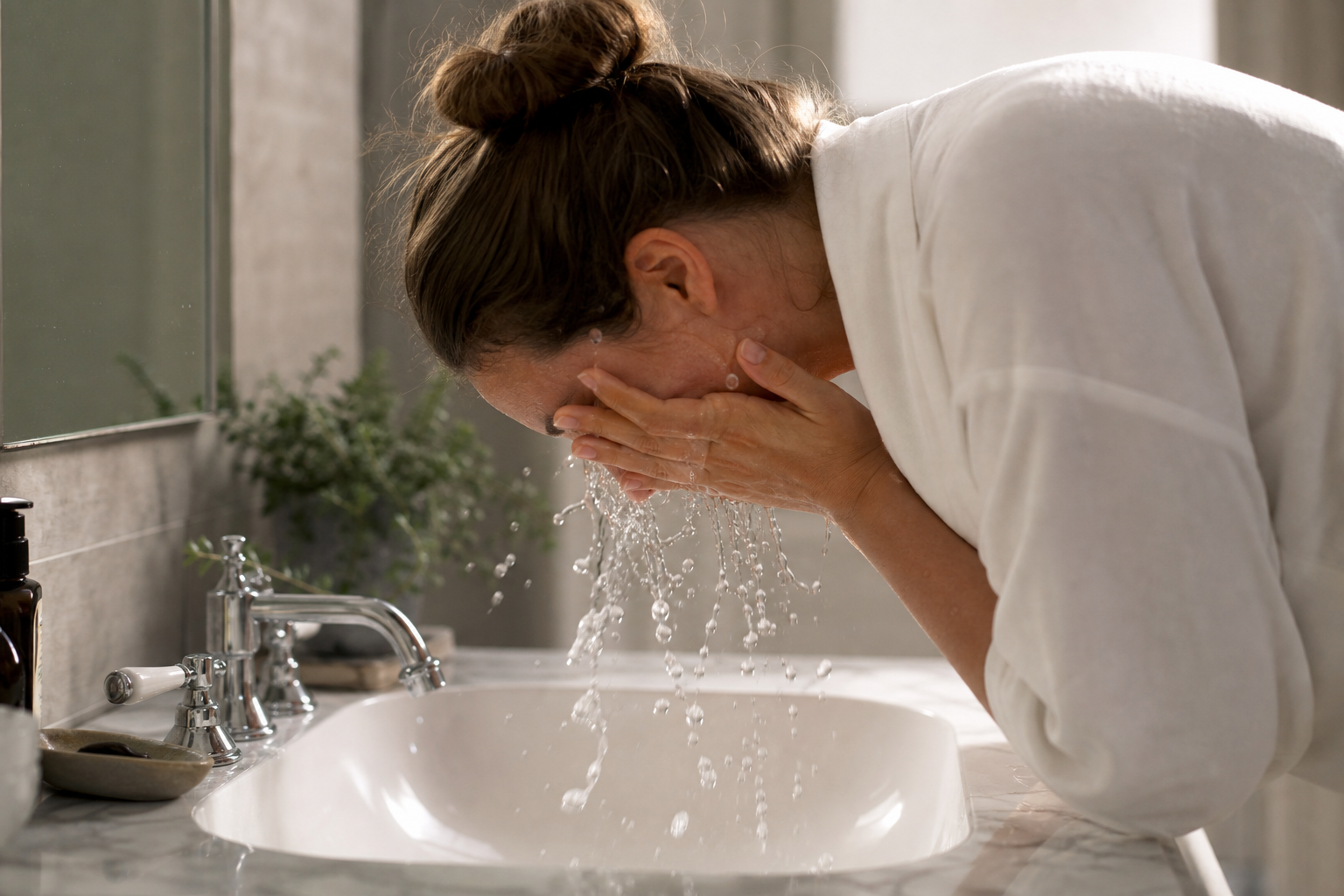
| Cold water on face or hands (15 to 20 seconds) | 10 to 30 seconds | 15 to 60 minutes | 2 a.m. emergencies, drowsy driving pullovers |
| Bright light (sunlight or a 10,000-lux lamp) | 10 to 15 minutes | Several hours, resets circadian timing | Morning grogginess, shift work adjustment |
| Brisk movement (5 to 10 minutes) | 2 to 5 minutes | 30 to 60 minutes | The 2 p.m. desk slump |
| Peppermint oil, 2 to 3 inhalations | Under 60 seconds (subjective alertness) | 20 to 30 minutes | Low-effort quick jolt, no equipment needed |
| Short nap (15 to 20 minutes) | 20 to 30 minutes, including the nap itself | 1 to 3 hours | A planned midday dip, not an emergency |
| Protein plus complex carbs | 20 to 40 minutes (digestion time) | 2 to 4 hours | Sustained energy without a crash |
Notice the tradeoff: the fastest tools (cold water, movement) fade the quickest, while the slower tools (light, food, naps) last longer. Stacking a fast method with a slow one, cold water followed by 10 minutes outside, covers both problems at once.
Why Do Non-Caffeine Methods Work at All?
Cold, light, and movement each hijack a different alertness pathway that has nothing to do with adenosine, which is the receptor caffeine blocks.
Cold water contact triggers a sharp release of norepinephrine, the brain chemical tied to vigilance and focus. One physiology study found that immersion in 14°C (57°F) water raised circulating norepinephrine levels two- to three-fold within minutes, which is a large enough shift to explain the near-instant jolt of a cold splash or cold shower.
Light works through a completely different route. Specialized cells in the retina feed directly into the suprachiasmatic nucleus, the brain's master clock, and a controlled study found that light intensity produces a dose-dependent increase in EEG markers of alertness, meaning brighter light more strongly suppresses the sleepiness signal, up to a point.
Movement raises cerebral blood flow and prompts the release of the same catecholamines (dopamine, norepinephrine) that caffeine indirectly boosts, but through muscle activity and heart rate rather than receptor blockade. Caffeine, by contrast, works mainly by blocking adenosine receptors so your own natural drowsiness signal can't dock and register, which is a slower, more indirect mechanism than a cold shower's direct norepinephrine spike.
What Can I Drink Instead of Coffee to Wake Me Up?
Plain ice water is the only truly caffeine-free drink that reliably increases alertness, and it works by combining mild cold exposure with rehydration, not by any stimulant effect.
Here is the part most "coffee alternative" lists skip: matcha, yerba mate, and nitro cold brew are not caffeine-free, and they are often stronger than the coffee you're trying to avoid. An 8-ounce brewed coffee has roughly 95 milligrams of caffeine, not the 45 milligrams sometimes quoted. Yerba mate runs comparably high, and a 12-ounce nitro cold brew can top 200 milligrams, more than double a regular cup. If your goal is to avoid caffeine entirely (pregnancy, anxiety, a heart condition, or a late bedtime), recommending these drinks as coffee "alternatives" doesn't solve your actual problem; it just swaps one caffeine source for a bigger one.
Real caffeine-free options for a drink you can hold and sip: ice water with lemon, sparkling water, or a cold herbal tea like peppermint or ginger served over ice. None of these deliver a stimulant hit, but the cold temperature and hydration combined give a genuine, if modest, alertness bump within a few minutes.
Coffee Alternatives for Lasting Energy: Food and Hydration Basics
Food and water fix the slow-burning cause of fatigue rather than masking it for twenty minutes, which is why this category matters even though it's the least novel part of any energy list.
Mild fluid loss is enough to cause measurable fatigue. A controlled trial found that even mild dehydration of about 1.5% of body weight impaired mood and cognitive performance in otherwise healthy men, so a glass of water before you reach for anything else is not a throwaway suggestion.
Pairing protein (eggs, Greek yogurt, a handful of almonds) with a complex carbohydrate (oats, whole fruit, quinoa) prevents the blood sugar spike-and-crash pattern that simple carbs and sugary snacks produce. This won't wake you up in the next two minutes, but it's the difference between feeling alert at 9 a.m. and crashing again by 10:30.
What Wakes You Up Better Than Coffee at 2 A.M.?
At night, the honest answer is often to stop trying and sleep, not to push through with tricks, especially if you're behind the wheel.
For shift workers, students cramming, or anyone genuinely needing to stay upright without caffeine, the fast-acting tools from the table above still apply: cold water on the face, a 5-minute walk, or turning on every light in the room. Bright light exposure is particularly useful for night-shift workers because it can help shift the body's circadian timing over several days, not just for one night.
But there is a safety line here that most energy articles never draw. Drowsy driving is not a productivity problem to hack your way through. The CDC reports that roughly 1 in 25 adult drivers admit to having fallen asleep at the wheel in the past month, and no scent, splash, or snack reliably prevents microsleep once you're truly sleep-deprived behind the wheel. If cold water and light aren't keeping you clearly alert while driving, the correct move is to pull over and nap for 20 minutes, or stop driving entirely, not to layer on more tricks.
What Can ADHD People Use Instead of Caffeine?
Movement, cold exposure, and bright light are reasonable non-stimulant tools for ADHD-related low arousal, but they are not a substitute for prescribed treatment if caffeine is functioning as unsupervised self-medication.
Many people with ADHD use caffeine because it mimics, weakly, the effect of stimulant medication on dopamine and norepinephrine signaling. Short, structured movement breaks appear to help: a meta-analysis of exercise interventions found measurable improvements in attention and executive function in children with ADHD after regular physical activity, and the same mechanism (catecholamine release, increased cerebral blood flow) applies to adults.
Practical, low-cost options: a 5-minute movement break every 45 to 60 minutes of focused work, a cold water splash before a task that requires sustained attention, and working near a bright window or light box rather than in dim, low-stimulation lighting. Task-switching techniques, like alternating between a hard task and an easy one every 25 minutes, can also reduce the drowsy, understimulated feeling that drives many people toward another cup of coffee. If caffeine is your only tool for managing attention and you're going through 3 or more cups a day just to function, that's worth raising with a prescriber rather than treating as a lifestyle preference.
Tolerance and Daily Reliance: Do These Tricks Stop Working?
Cold water and bright light don't build the same pharmacological tolerance caffeine does, since they don't act on a receptor that your body can downregulate. But the psychological alerting effect of any novel stimulus does fade somewhat with repetition, simply because your brain stops registering it as surprising.
Naps behave differently and come with a real ceiling. Research on nap duration found that naps beyond roughly 30 minutes push you into deeper sleep stages, producing sleep inertia, a groggy, worse-than-before feeling on waking, rather than the refreshed alertness a shorter nap delivers. A daily 20-minute nap used to patch chronic short sleep at night is also not a sustainable fix; it treats a symptom while the underlying sleep debt keeps accumulating.
The practical takeaway: cold exposure, light, and movement can be daily habits without losing their physiological punch, but they are not a permanent workaround for consistently getting less sleep than your body needs.
Frequently asked questions
What wakes you up fast, faster than coffee?
Cold water on the face, neck, or hands works within 10 to 30 seconds because it triggers a rapid norepinephrine release, which is faster than coffee's typical 20 to 45 minute absorption window. It's the quickest tool on the list, though the effect only lasts 15 to 60 minutes.
What can I drink instead of coffee to wake me up?
Ice water, sparkling water, or a cold herbal tea like peppermint give a mild alertness boost from temperature and hydration without any caffeine. Be cautious with matcha, yerba mate, or nitro cold brew if you're avoiding caffeine, since these often contain as much or more caffeine than regular coffee.
What can I replace coffee with for lasting energy, not just a quick jolt?
Pair a protein source like eggs or Greek yogurt with a complex carbohydrate like oats or fruit, and make sure you're properly hydrated first. This combination supports steady blood sugar and provides energy that lasts 2 to 4 hours, compared to the shorter burst from cold water or movement.
What can ADHD people use instead of caffeine?
Short movement breaks every 45 to 60 minutes, cold water splashes before focus-heavy tasks, and working near bright light are reasonable non-stimulant options. If caffeine has become the main way you manage attention throughout the day, that pattern is worth discussing with a prescriber rather than managing alone.
How do I stay awake at night without caffeine, for example during a shift or exam cramming?
Use cold water splashes and brief bursts of movement for immediate alertness, and bright light exposure over several nights if you're adjusting to shift work long term. If you're driving and still feel drowsy despite these tricks, the safe move is to pull over and nap or stop driving, not to keep pushing through.
Do non-caffeine wake-up tricks stop working if you use them every day?
Cold exposure and light don't cause the receptor-level tolerance that caffeine does, so they generally stay effective with daily use. Naps are the exception: keep them under 30 minutes, since longer naps can cause grogginess (sleep inertia) instead of alertness, and daily napping doesn't fix an ongoing sleep debt.
Sources
- Human physiological responses to immersion into water of different temperatures (2000)
- Dose-response relationship for light intensity and EEG correlates of human alertness (2000)
- A brief afternoon nap following nocturnal sleep restriction: which nap duration is most recuperative? (2006)
- Mild dehydration impairs cognitive performance and mood of men (2011)
- Effects of physical exercise in children with ADHD: a systematic review and meta-analysis (2015)
- Caffeine content for coffee, tea, soda and more (2023)
- Drowsy Driving: Asleep at the Wheel (2022)