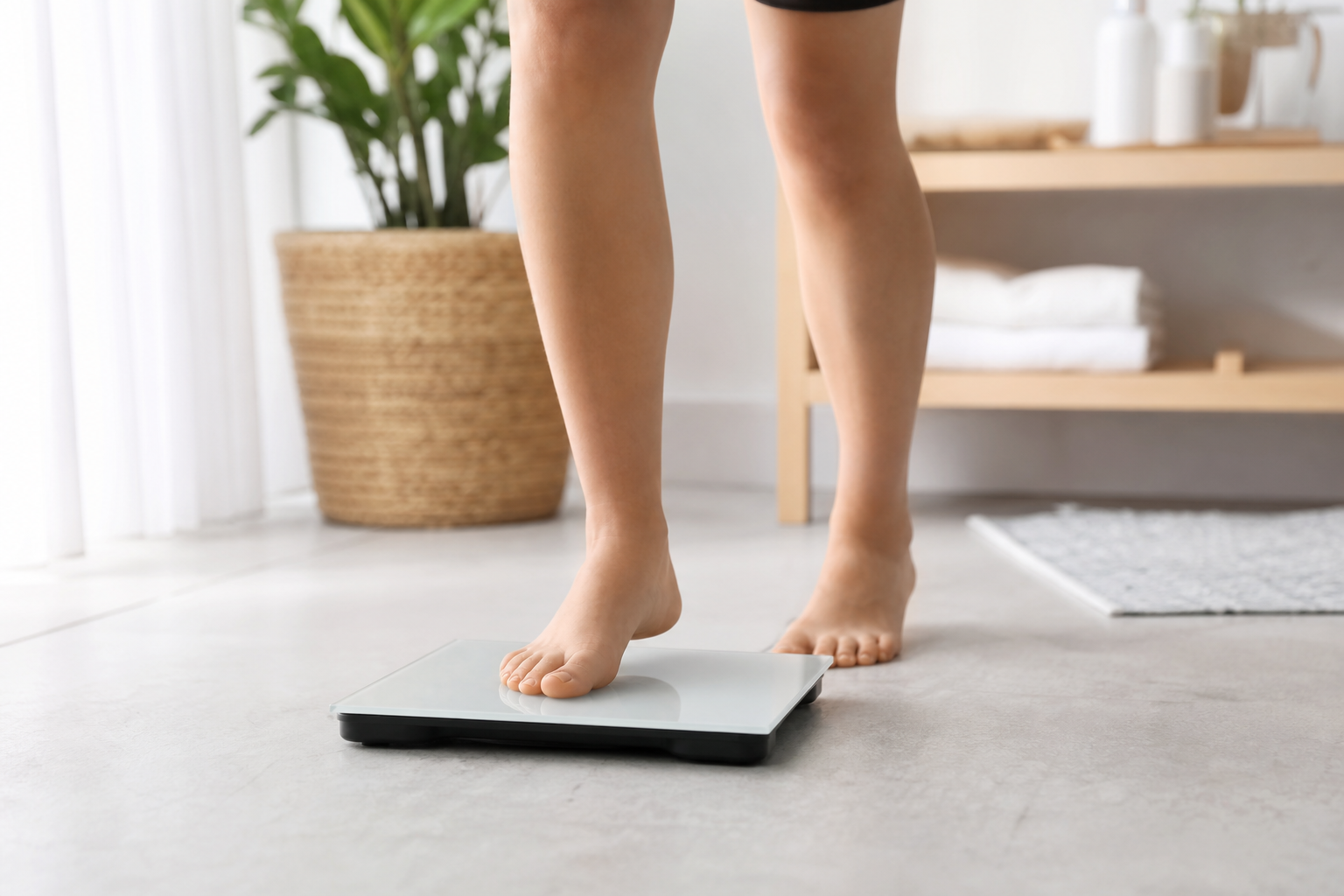
Figuring out how to lose 1kg in 10 days starts with knowing whether the goal is even realistic, and then having an actual plan instead of a vague promise to "eat less and move more." This article breaks down the exact calorie math, shows a diet-only protocol and a combined exercise plan side by side, and separates genuine fat loss from the water-weight tricks that dominate one-day and five-day challenges.
You'll also get a straight answer on what people in weight-loss communities actually experience over a 10-day window, including why the scale stalls even when the plan is working.
Can You Actually Lose 1kg in 10 Days?
Yes, you can lose 1kg in 10 days, and the math behind it is straightforward once it's broken into a daily target. A kilogram of body fat represents roughly 7,700 kilocalories of stored energy, so losing one over 10 days means creating a cumulative deficit of 7,700 kcal, which works out to about 770 kcal per day.
That daily number is where this plan differs from the usual advice. Most public health guidance, including the CDC's page on losing weight, points to a deficit of 500 to 750 kcal per day as the range that produces steady loss of roughly 0.5 to 1kg per week. A 770 kcal/day target held for 10 straight days sits right at the top edge of that range, not wildly past it, but with less margin than the slower pace most beginners are told to expect.
In practice, that 770 kcal/day usually gets split between two levers: eating less and moving more. A workable split is around 500-550 kcal/day from food, through smaller portions, fewer liquid calories, and less added sugar, plus 200-270 kcal/day from extra activity like brisk walking or a short strength session. Hitting the full 770 kcal from diet alone is possible but harder to sustain for 10 consecutive days than dividing the load between plate and movement.
Is Losing 1kg in 10 Days Safe for Your Body?
Losing 1kg in 10 days is generally safe for a healthy adult with no underlying medical conditions, but a meaningful share of that kilogram is likely water, not fat. When you first cut calories or carbohydrates, the body releases water bound to stored glycogen, the carbohydrate reserve held in muscle and liver, and that shift alone can account for 0.5 to 1kg of scale movement in the first few days of a new deficit.
This is part of why a 10-day timeline can feel more achievable than the standard 1kg-per-week benchmark suggests. Some of the early drop isn't new fat loss at all, it's fluid leaving as glycogen stores get depleted, and true fat loss tends to track more slowly than the scale number during this window. The NIH Body Weight Planner models this gap directly and is a useful way to see how much of a projected loss is likely water versus fat over a short period.
One safety caveat is worth stating plainly: pushing well past a 500-770 kcal/day deficit, or repeating this pace back-to-back for months, raises the risk of losing muscle and bone density along with fat, so a single 10-day stretch at this level is reasonable but shouldn't become a routine. Anyone with diabetes, a history of disordered eating, or who is pregnant or breastfeeding should check with a clinician before attempting even a short 10-day deficit like this one.
 Stronger Every Day.Get Started→
How to Lose 1kg in 10 Days Without Exercise: A Diet-Only Plan
A diet-only approach to losing 1kg in 10 days means cutting roughly 500 to 600 calories a day from your current maintenance intake, which totals 5,000 to 6,000 kcal over the period. Combined with the water weight most people shed in the first days of eating less sodium and fewer refined carbs, this gets you close to the 7,700 kcal target needed for a full kilogram of fat.
Sample day at roughly 1,400 to 1,500 calories, adjust up or down based on your starting maintenance:
- Breakfast: 2 eggs, 1 slice whole grain toast, half an avocado (about 350 kcal)
- Lunch: 120g grilled chicken breast, large mixed salad, olive oil dressing (about 400 kcal)
- Snack: Greek yogurt with berries (about 150 kcal)
- Dinner: 150g baked fish, roasted vegetables, half a cup of quinoa (about 450 kcal)
Three tactics matter more than the exact menu. First, cut liquid calories: a single 500ml soda or sweetened coffee can add 200 to 250 kcal a day, and dropping it alone covers close to half your daily target. Second, reduce sodium and refined carbohydrates, white bread, pasta, and pastries, since both cause the body to retain extra water bound to glycogen; cutting them typically shows up as a faster drop on the scale within 3 to 4 days, separate from actual fat loss. Third, keep protein at 25 to 30g per meal from eggs, poultry, fish, yogurt, or legumes rather than cutting it alongside calories, since protein has the highest satiety per calorie of any macronutrient and helps preserve muscle tissue during a deficit.
This diet-only approach gets most people close to 1kg in 10 days, but the exact number depends on starting weight and how much water weight your body is holding from prior sodium and carbohydrate intake.
How to Lose 1kg in 10 Days With Exercise: Combining Cardio and Strength
Combining exercise with diet lets you reach the same 7,700 kcal deficit with a smaller food cut, around 400 kcal/day from meals plus 300 to 400 kcal/day from activity, which is easier to sustain and better preserves muscle than cutting food alone.
A practical 10-day structure: alternate 5 days of 30 to 45 minute cardio, brisk walking, cycling, or swimming, with 3 sessions of 30 to 40 minute strength training at moderate weights for 3 sets of 8 to 12 reps, leaving 2 rest or light-activity days. Strength sessions burn fewer calories in the moment, but they protect muscle mass so more of the weight lost over the 10 days is fat rather than lean tissue.
The table below shows calories burned per 30 minutes for a person weighing about 70kg (155 lbs), adapted from Harvard Health's calories burned chart.
| Activity | Calories burned (30 min) |
|---|---|
| Walking (4 mph) | about 150 |
| Running (6 mph) | about 300 |
| Cycling, moderate pace | about 260 |
| Strength training | about 130 |
| Swimming, moderate | about 220 |
A 45-minute brisk walk plus a 30-minute strength session on the same day covers roughly 350 to 400 kcal, meaning you only need to trim meals by about 400 kcal instead of 600 to 700. Over 10 days that reaches the same total deficit as the diet-only plan, just split between two smaller, more sustainable levers instead of one large one.
Stronger Every Day.Get Started→Can You Lose 1kg in 1 Day or 5 Days? The Truth About Rapid Drops
No, a real 1kg drop in a single day is not fat loss: it is almost entirely water, sodium, and glycogen shifting out of your tissues. Muscle stores carbohydrate as glycogen, and each gram of glycogen is bound to roughly 3 grams of water, a ratio documented in classic physiology research on glycogen and total body water. Cut carbs hard, sweat heavily in a sauna, or restrict sodium and fluids for 24 hours, and that bound water gets released, showing up as a lower number on the scale even though fat mass hasn't changed.
Losing 1kg of actual fat in 5 days is a different problem entirely, and the arithmetic makes it clear why it's not realistic. One kilogram of fat holds about 7,700 kcal, so spread over 5 days that means a deficit of roughly 1,540 kcal every single day, on top of whatever you already burn just existing. For most adults that would mean eating almost nothing while also doing hours of intense exercise daily, a combination that risks dizziness, muscle loss, and rebound overeating rather than lasting results.
If you have a weigh-in or event and just need a lower number on the scale for one day, the safer, honest version of this trick is to cut sodium and refined carbohydrates the day before, drink normally rather than restricting fluids, and add 30 to 45 minutes of light cardio. This nudges water weight down slightly without the dehydration risk of sauna sessions or fluid cuts, but expect the number to bounce back within a day or two once you eat and hydrate normally again.
What Do Reddit and Real People Say About Losing 1kg in 10 Days?
Real-world accounts from weight loss communities largely confirm the calorie math already covered, but they add an important detail: the scale almost never moves in a straight line. People who report actually reaching a 10-day goal typically describe modest calorie tracking, often in the 1,200 to 1,500 kcal range, paired with daily walking rather than extreme restriction or intense workouts. Many also describe a stall around day 3 to 6, where the scale flatlines or even ticks up slightly despite sticking to the plan, usually from sodium intake, carbohydrate refeeds, or normal menstrual cycle water retention rather than any actual fat regain.
The most common mistake reported is treating a single day's number as proof of failure and abandoning the plan mid-week. A more reliable troubleshooting habit, echoed across these accounts and supported by guidance from clinicians on why weight fluctuates day to day, is to weigh in at the same time under the same conditions each morning and compare weekly averages instead of single daily readings, since that smooths out the noise and shows the real trend.
Frequently asked questions
How much weight can I safely lose in two weeks instead of 10 days?
A widely used benchmark is 0.5 to 1kg per week, so over two weeks a safe target is roughly 1 to 2kg, built from a daily deficit of around 500 to 550 kcal. That pace is easier to sustain than the tighter 10-day timeline because it needs less daily restriction and gives the body more time to adjust hormonally. Going faster than this for more than a couple of weeks raises the risk of losing muscle along with fat.
Will drinking more water actually help me lose weight faster?
Water itself has no calories to burn, but it can support the deficit indirectly by reducing hunger and replacing higher-calorie drinks. Some small studies have found that drinking about 500ml of water before a meal modestly reduces the calories eaten afterward, mainly in middle-aged and older adults. It won't create the deficit on its own, but swapping soda or juice for water is one of the easier 300 to 500 kcal cuts a day.
Does skipping meals speed up losing 1kg in 10 days?
Skipping meals lowers total intake for that day, but it usually backfires by increasing hunger and the chance of overeating later, which can erase the deficit. It also makes it harder to hit daily protein targets, which matters for keeping muscle while in a calorie deficit. A steadier cut spread across 3 meals or a structured intermittent-fasting window tends to hold up better over 10 days than irregular skipping.
How can I tell if I lost fat or just water weight?
Water weight tends to drop fast in the first 2 to 4 days and can swing back just as quickly with a salty meal or a rest day from training, while fat loss shows up as a slower, steadier decline over a week or more. Tracking the scale daily but comparing weekly averages, rather than day-to-day numbers, filters out most of the water noise. A tape measure at the waist or how clothes fit over 2 to 3 weeks is a more reliable fat indicator than any single weigh-in.
Can poor sleep or stress stop me from losing 1kg in 10 days?
Yes, both can work against the deficit even if food intake stays the same. Short sleep is linked to increased hunger hormones and reduced impulse control around food, and high stress raises cortisol, which can drive water retention and make scale weight look stalled even when fat is being lost. Getting close to 7 hours of sleep and managing stress through walking or breathing exercises won't replace the calorie deficit, but it removes two common reasons the 10-day plan appears to stop working.
Sources
- Metabolic equivalents (METs) and energy cost review, PMC (2011)
- CDC: Losing Weight (2023)
- NIH Body Weight Planner (2023)
- Calories burned in 30 minutes for people of three different weights (2021)
- Olsson & Saltin, Variation in total body water with muscle glycogen changes in man (1970)
- Johns Hopkins Medicine: Why Does My Weight Fluctuate So Much? (2023)